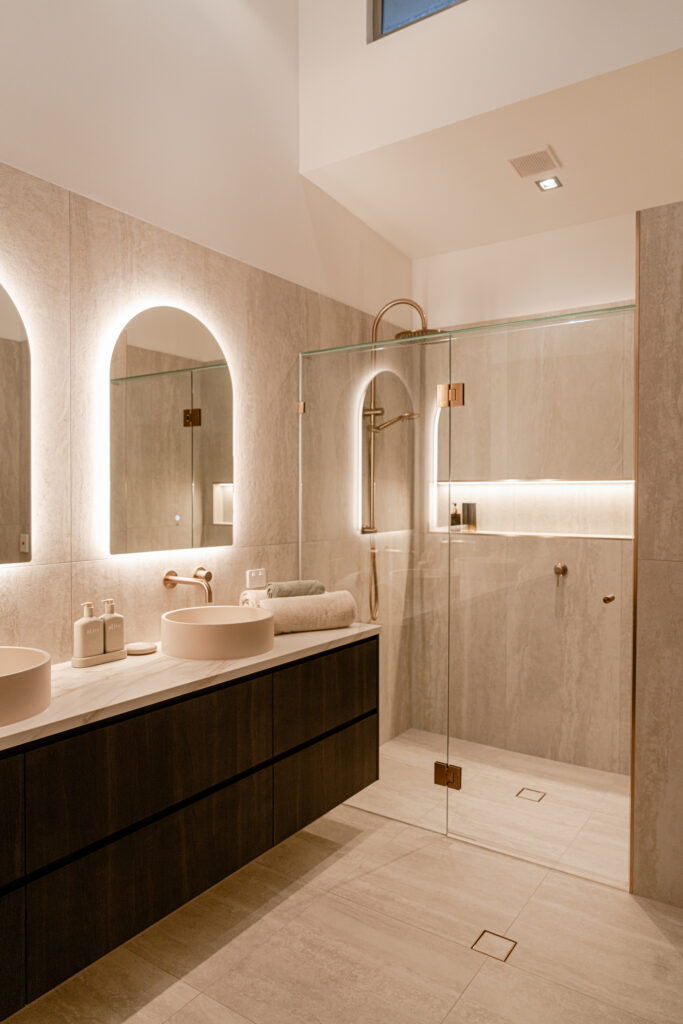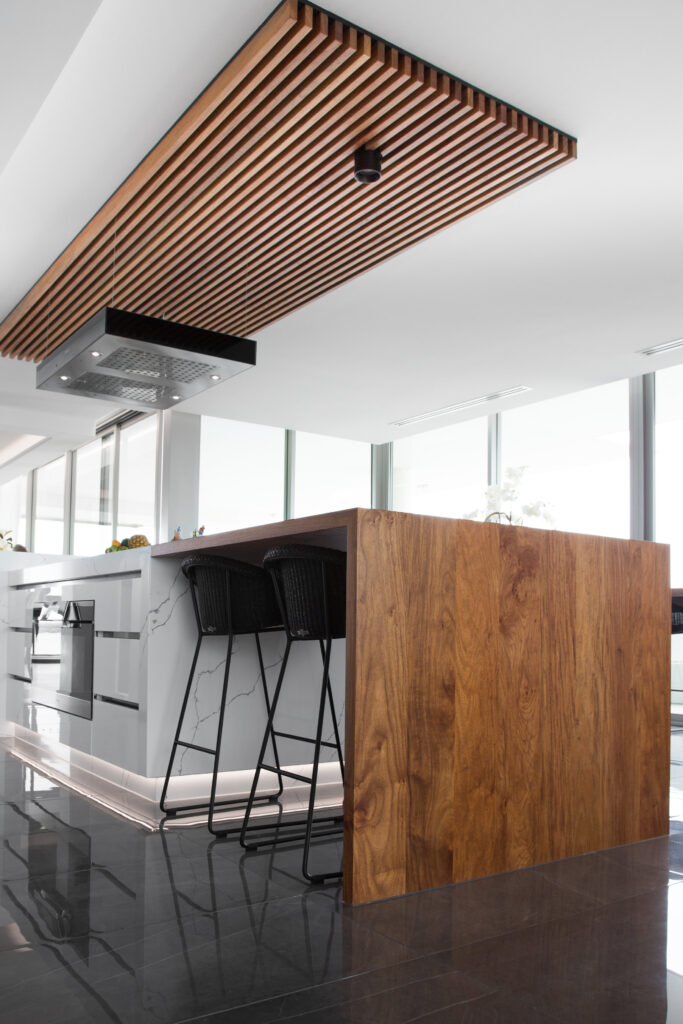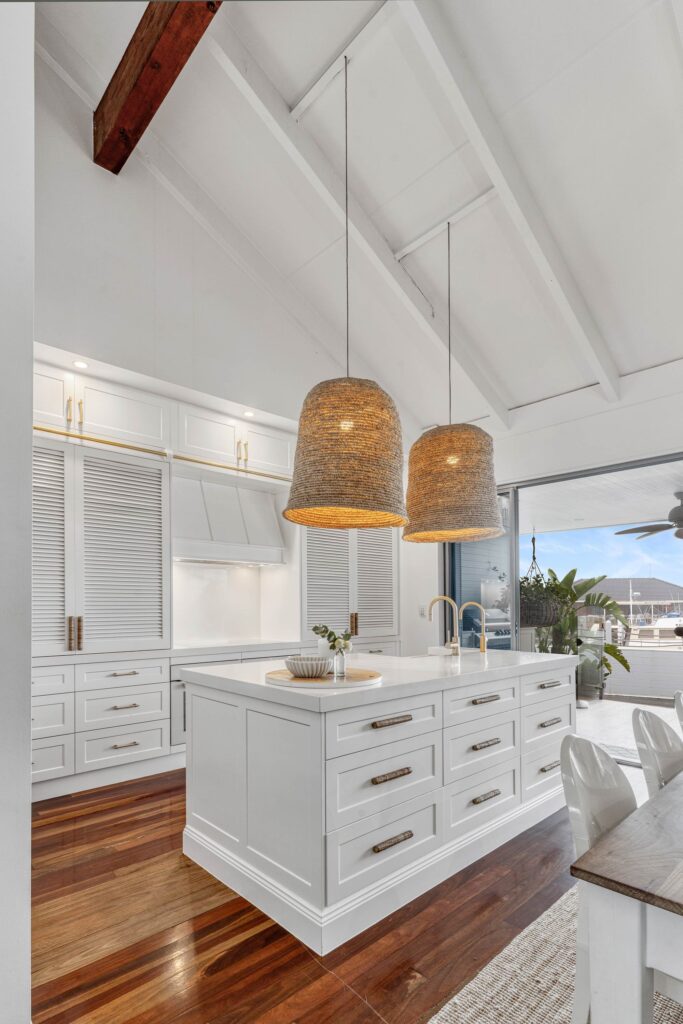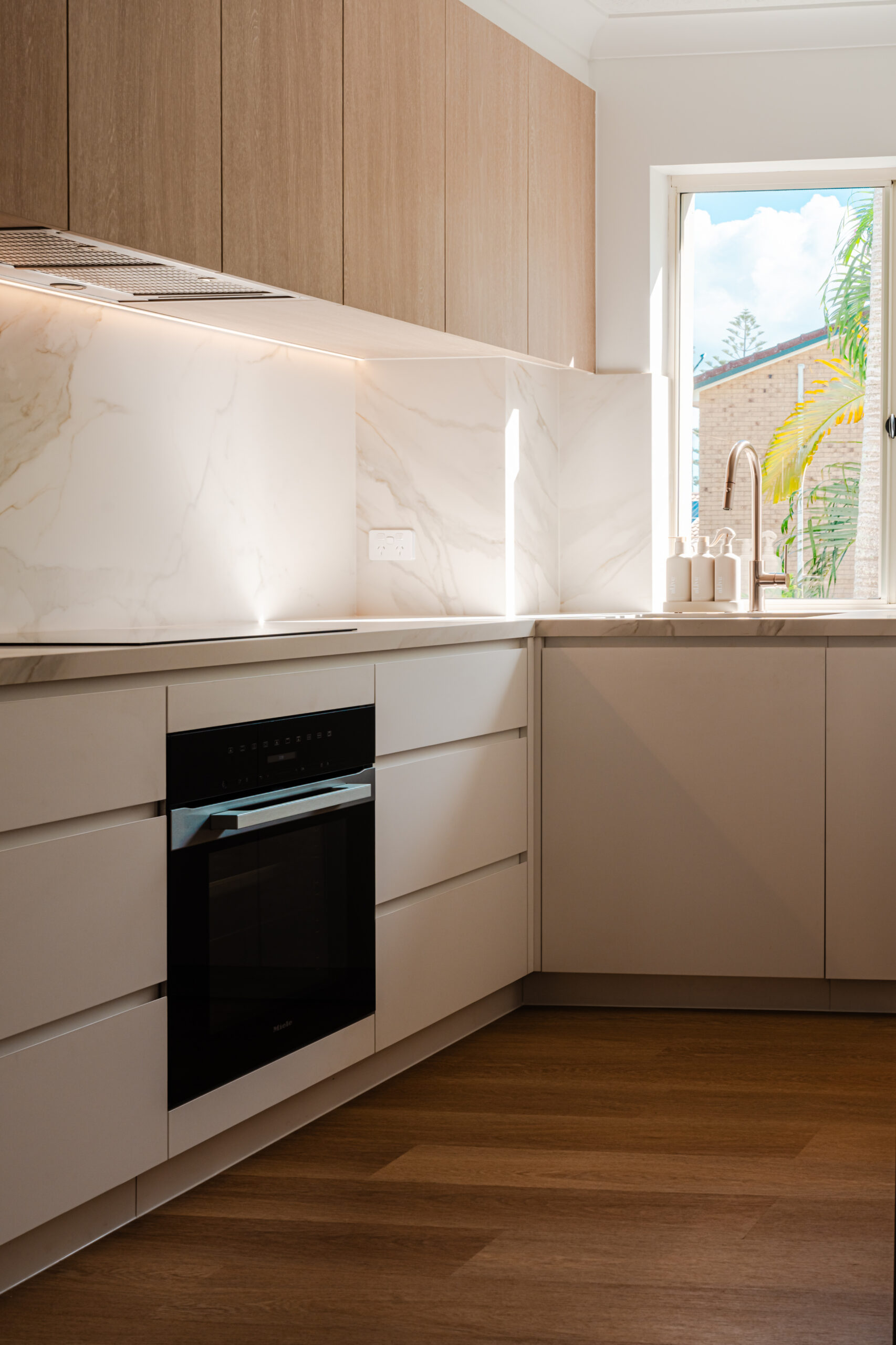
Most people searching for unit renovation Gold Coast advice are really asking a bigger question: how far should this renovation go, and what will the building let us do? A unit and a freestanding house can share the same mood board, but they are renovated under different rules, priced differently and built on different timelines.
It is a decision plenty of locals face. In the 2021 Census, 21.7% of occupied homes in the Gold Coast local government area were flats or apartments, and another 20.6% were townhouses or semi-detached homes. This guide compares the two scopes side by side so you can choose the one that suits your property, your budget and the way you want to live.
What Is a Unit Renovation?
A unit renovation is the interior renovation of a lot in a strata scheme: an apartment in a tower, a unit in a walk-up block, or a townhouse in a community titles scheme. You own the space inside your lot, while the structure, external walls, roof and most shared services usually belong to the body corporate as common property.
That ownership split shapes everything. A typical unit renovation covers the kitchen, bathroom, laundry, flooring, lighting and joinery within the existing footprint. Moving a wet area, cutting into a slab or touching a load-bearing wall usually needs written body corporate approval first, and many schemes set by-laws for trade hours, lift bookings and waste removal. Our guide to body corporate renovation rules walks through the approval process step by step.
Gold Coast unit stock ranges from 1970s brick walk-ups near the beach to modern high-rise towers. Blocks built before 1990 may contain asbestos, so testing before demolition is standard, while towers add lift protection and loading dock bookings. That is why our unit and apartment renovations on the Gold Coast start with a site assessment of access, logistics and strata requirements.
What Is a Full Home Renovation?
A full home renovation reworks the interior of a freestanding house from end to end. The kitchen, every bathroom and ensuite, the laundry, wardrobes, flooring, painting and lighting are designed together and delivered as one coordinated project, often with layout changes such as opening up a living area.
With no body corporate to answer to, you have far more freedom with layout and structure. Structural changes, new wet areas and alterations to the external fabric generally need building approval through a private certifier or council, and our full home renovations are planned around those approvals from the first design meeting.
Unit Renovation Gold Coast vs Full Home Renovation: Key Differences
Costs below are indicative ranges for mid-range finishes, not quotes.
| Factor | Unit renovation | Full home renovation |
|---|---|---|
| Typical scope | Kitchen, one or two bathrooms, laundry, flooring and joinery within the existing footprint | Kitchen, multiple wet areas, laundry, joinery, flooring and paint throughout, often with layout change |
| Who approves | Body corporate, plus building approval for structural work | Private building certifier or council for structural and new wet area work |
| Indicative cost | Around $65,000 to $140,000 for a two-bedroom unit | Around $150,000 to $300,000 for a three to four bedroom home |
| Build time on site | Around 10 to 12 weeks, once body corporate approval is in place | Around 12 to 20 weeks, or four to eight months including design and approvals |
| Home warranty cover | Covered up to three storeys above a car park; not covered in taller buildings | Covered for residential work valued over $3,300 |
| QLeave levy | Often below the $150,000 threshold | Usually applies |
| Living arrangements | Often need to stay elsewhere while the only bathroom is out of action | Most families move out for the main build |
Approvals: body corporate vs building certifier
In a unit, the body corporate is your first approval. A committee can generally approve a lot owner’s improvement to common property if it costs less than $3,000 and does not detract from the building’s appearance; anything larger needs an ordinary resolution at a general meeting, according to the Queensland Government’s guidance on improving common property and lots. Some schemes also require approval before you change flooring, because hard floors carry noise to the unit below. In a house, approval comes from a certifier or council only when the work is structural, adds a wet area or changes the external fabric.
Cost and the Queensland extras
Square metre for square metre, units are not always cheaper to renovate. Small rooms still need the same trades and waterproofing, and lift protection and timed deliveries add cost. A unit usually costs less in total simply because there are fewer rooms. Our full home renovation cost guide breaks the house side down room by room, and the unit range in the table is built from the same figures. The QLeave levy of 0.575% applies to building work costing $150,000 or more, excluding GST, which most full home renovations trigger and many unit renovations avoid.
Home warranty cover in high-rise buildings
This is the difference most unit owners don’t know about. Residential building work in Queensland valued over $3,300 is generally covered by the Queensland Home Warranty Scheme. However, the QBCC’s guide to apartment renovations confirms that buildings of more than three storeys, not counting a car park level, sit outside the scheme, including work inside an individual unit. If you own in a Gold Coast tower, ask your builder for their workmanship warranty in writing and speak to your insurer before you sign.
Timeline and day-to-day disruption
Most of our apartment renovations take around 10 to 12 weeks on site, but that clock starts after the body corporate signs off. A full home renovation typically runs 12 to 20 weeks on site, after two to three months of design and approvals. Most units have one bathroom, so you will usually stay elsewhere while it is out of action.
When a Unit Renovation Makes Sense
- You love the location, and the building is well maintained with a healthy sinking fund and no major works on the horizon.
- Your budget suits a contained scope that transforms the rooms you use most.
- You are preparing a unit for sale or lease and want the biggest lift from the kitchen, bathroom and flooring.
- You are downsizing and want a low-maintenance home finished to a high standard from day one.
- You want a compact floor plan to work harder, where custom wardrobes and bespoke cabinetry add storage without adding square metres.
Remember that the building sets the ceiling. You can transform the interior, but not the lift, the facade or the levies.
When a Full Home Renovation Makes Sense
- The whole house feels dated, and renovating room by room would mean years of disruption.
- You want to change how the home flows, such as opening the kitchen to the living areas.
- You plan to stay long term and want every room designed as one cohesive scheme.
- The home needs rewiring or replumbing that is more economical to do once.
- You want control over layout and structure without a body corporate vote.
Questions to Ask Before You Decide
- What does the property allow? For a unit, read the by-laws and recent body corporate minutes before you design anything.
- What is your total budget? Include a contingency of 10 to 15% for what you find behind the walls.
- How long will you own it? A long hold justifies a more complete scope.
- Where will you live during the works? Factor rent or a short stay into the budget.
We work through these questions at every first consultation. Hasl Renovations has been a family-owned Gold Coast studio since 1993, with in-house design, our own cabinetry factory in Labrador and a full construction team under one roof. We are QBCC licensed and HIA members, and for apartment work we prepare the documentation your body corporate needs, so approvals are managed alongside the design rather than left to you.
Frequently Asked Questions
Can you renovate a unit on the Gold Coast?
Yes. You can renovate the inside of your lot, but work that affects common property or building systems, such as plumbing, wiring or load-bearing walls, needs body corporate approval. Check your scheme’s by-laws first, and always get the approval in writing, usually as meeting minutes or a resolution.
How much does it cost to renovate a two-bedroom unit?
As an indicative guide, a mid-range renovation of a two-bedroom unit with a new kitchen, one bathroom, flooring and paint lands around $65,000 to $140,000. Layout changes, premium finishes and difficult building access push it higher. A site visit and detailed quote are the only way to price your unit accurately.
How long does a unit renovation take?
Most apartment renovations take around 10 to 12 weeks on site. Allow extra time beforehand for design, quoting and body corporate approval, which can take several weeks if the work needs a general meeting vote.
Is it worth renovating a unit?
It can be, particularly in a well-run building in a good location, where a new kitchen, bathroom and flooring change how the unit lives day to day. Check the building first, because major upcoming common property works or a low sinking fund can affect value regardless of what you spend inside.
Is a full home renovation cheaper than renovating room by room?
Usually, yes, across the life of the project. Doing the whole house at once means trades are mobilised once, services are opened once and finishes are chosen as one scheme. Staging the work spreads the cost, but you pay again for setup, site protection and disruption each time.
Verdict: Which Renovation Is Right for You?
Choose a unit renovation when you love the building and the location, and want a contained project that transforms the interior within the rules of your scheme. Choose a full home renovation when the whole house needs to work differently and you want one cohesive result, delivered in a single build.
Still weighing it up? Book a free design consultation and our team will assess your property, talk you through approvals and give you a clear picture of scope, cost and timing, from conception to realisation.