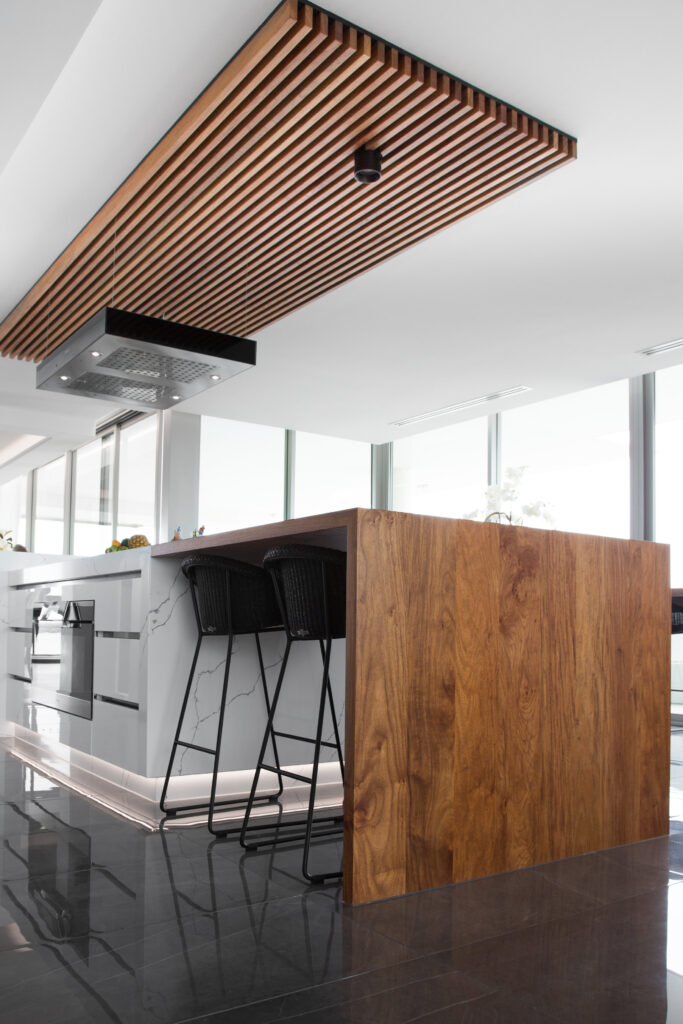
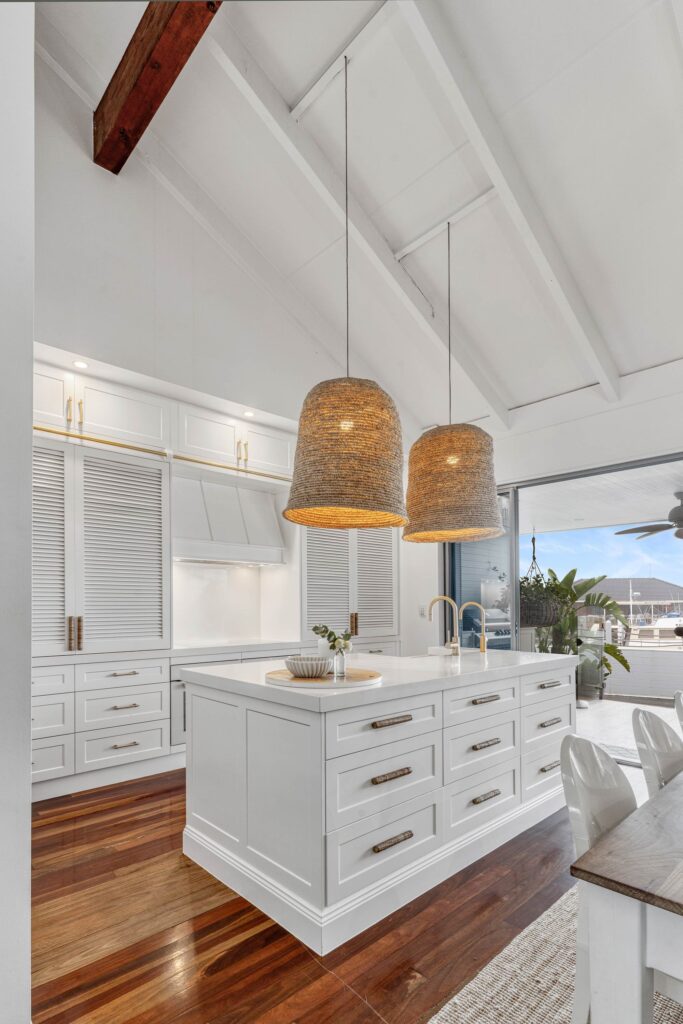
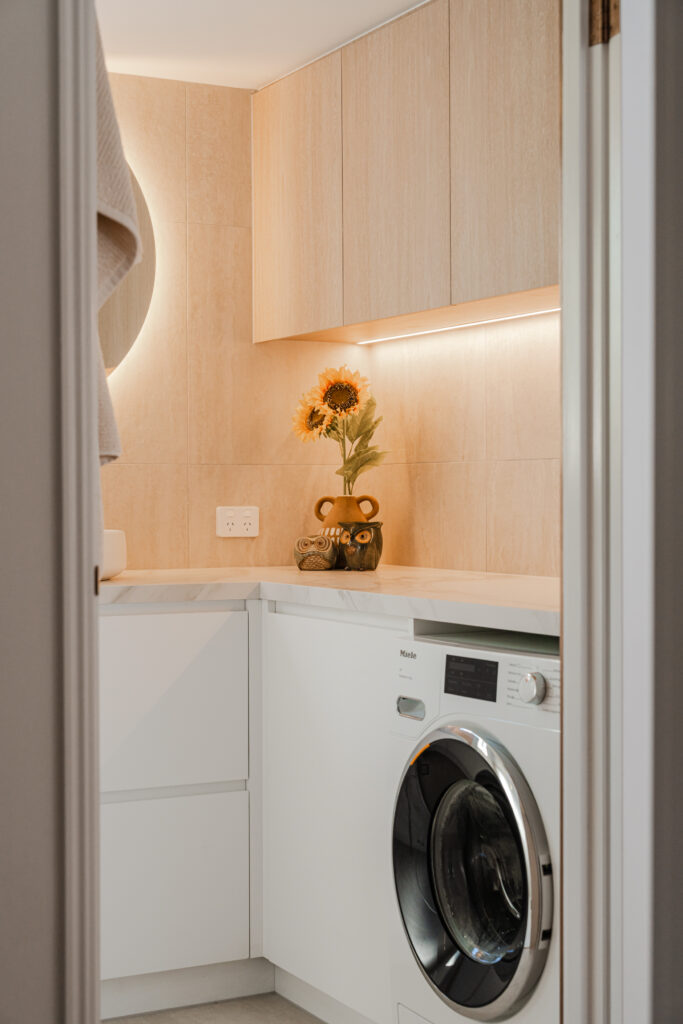
Most renovations reach the same fork early on. You can hand the whole project to one company, or you can find the plumber, tiler, electrician and cabinetmaker yourself and run the job the way a builder would. With a turnkey renovation, Gold Coast homeowners sign one contract and walk back into a finished space. Managing your own trades promises to save the builder’s margin, and on paper that saving can look hard to ignore.
What the spreadsheet rarely shows is how much changes in Queensland once you take on the builder’s role. This guide compares both paths on cost, time, risk and stress, so you can choose before the first tile comes off the wall.
What Is a Turnkey Renovation?
A turnkey renovation is a single agreement with one licensed contractor who takes the project from first concept to final handover. Design, approvals, materials, scheduling, construction and clean-up all sit with that company. You make the decisions that shape the result, such as layout, finishes and budget, and the contractor is accountable for delivering them.
How complete that service is varies. Some turnkey builders still outsource design and joinery, then coordinate those third parties for you. At Hasl Renovations, design, custom cabinetry manufacturing and construction are handled by our own in-house team, which is why our turnkey renovation services cover everything from a single bathroom to a whole home under one roof. Our four-stage renovation process shows what happens at each step, from the onsite design consultation and 3D renders to installation.
What Does Managing Your Own Trades Involve?
Managing your own trades means you become the project manager. You find and vet each trade, compare quotes, order materials, book deliveries and decide the order everyone arrives in. Then you keep that order on track when something slips. Even a single bathroom involves a long chain of hand-offs:
- Demolition and rubbish removal
- Plumbing and electrical rough-in
- Waterproofing, then curing time before tiling
- Floor and wall tiling
- Vanity, cabinetry and stone installation
- Plumbing and electrical fit-off
- Shower screen, painting and final clean
Each step depends on the one before it. If the waterproofer runs a week late, the tiler moves on to another job and you wait for a new slot. In a busy building market like the Gold Coast, trades also tend to prioritise the builders who give them steady work over one-off homeowner jobs.
The Queensland Rules That Change the Comparison
You may need an owner-builder permit
If you are running domestic building work valued at more than $11,000, the QBCC generally requires an owner-builder permit before any work starts. The value is calculated at what a licensed contractor would charge, including GST, even if you do some of the work yourself. You must complete an owner-builder course first, processing usually takes around 30 working days, and in most cases you can only hold one permit every six years.
You take on the builder’s legal responsibilities
Under the QBCC’s owner-builder responsibilities, you become accountable for the safety of every worker and visitor on site. You must display a permit sign visible from the street, engage only licensed contractors and keep a written agreement with each. Plumbing, drainage and gasfitting still need licensed trades, and if your home was built before 1990, as many Gold Coast homes were, you also need an asbestos awareness certificate.
Owner-builder work has no home warranty cover
When a licensed contractor carries out residential work valued over $3,300, the Queensland Home Warranty Scheme protects you if the work is defective or never finished, with structural defects generally covered for six years and six months. The QBCC’s 2025–26 annual report shows 163,904 policies issued for alterations and additions in a single year, and 1,967 claims received, 664 of them because the work was never completed. One exception applies whichever path you choose: renovation work inside a unit in a building of more than three storeys, not counting car park levels, isn’t covered by the scheme at all.
Owner-builder work sits outside that scheme. Hiring trades one by one without a permit doesn’t fully solve the problem either, because cover attaches to each separate contract rather than the finished room. When a shower leaks, the waterproofer, tiler and plumber can each point at someone else.
It follows you when you sell
If you sell within six years of completing owner-builder work, you must give the buyer a written notice before they sign, warning that the work is not covered by insurance under the QBCC Act. Skip it and the law assumes you have warranted the work was properly done, as the QBCC’s guidance on selling an owner-builder property explains.
Turnkey Renovation vs Managing Your Own Trades: Key Differences
| Factor | Turnkey renovation | Managing your own trades |
|---|---|---|
| Contracts | One contract, one licensed contractor | Separate agreements with every trade |
| Design | Included, often with 3D renders | Arranged and paid for separately |
| Scheduling and approvals | Managed by the contractor | Your job, plus a permit over $11,000 |
| Site safety | The contractor’s responsibility | Your responsibility |
| Home warranty insurance | Covers the whole project in houses and low-rise units | Not available for owner-builder work |
| Price certainty | Scope and price agreed up front | Moves with every quote and delay |
| Defects | One party accountable | Trades can dispute who is at fault |
| Your time | Key decisions and check-ins | Daily coordination, often for months |
| Selling within six years | No owner-builder disclosure | Written notice to buyers required |
What Each Approach Really Costs
The main argument for managing your own trades is cost. A turnkey contractor’s price includes a margin for project management, supervision, insurance and risk. Remove the contractor and, in theory, you keep that margin. In practice, several costs eat into the saving:
- Trade and supplier pricing: one-off clients rarely get the rates a builder with years of repeat work has negotiated, for labour or for tiles, tapware and stone.
- Gaps and return visits: every idle day extends the job, and return visits for small fixes are often charged as call-outs.
- Rework: when sequencing goes wrong, someone pays to redo it, and without a head contractor that person is usually you.
- Your time: calls, site visits and problem-solving fill evenings and weekends, often on top of a full-time job.
A turnkey quote also fixes the scope. At Hasl Renovations, our quotes break down every element of the design, from cabinetry to fixtures and flooring, and include QBCC insurance and rubbish removal. If something unexpected turns up behind a wall, you hear about it and agree the way forward before work continues. Comparing several companies? Our guide on how to choose a renovation company on the Gold Coast covers the seven questions worth asking each one.
When Managing Your Own Trades Can Work
Running your own trades isn’t the wrong choice for everyone. It can make sense when:
- The job is small and cosmetic, such as painting or new flooring, and stays under the $11,000 owner-builder threshold
- Only one or two trades are involved and their work doesn’t overlap
- You have construction experience and time during business hours
- Your timeline is flexible
Even then, check every trade on the QBCC licence register before you pay a deposit.
When to Choose a Turnkey Renovation: Gold Coast Projects That Suit It
A turnkey renovation is usually the better fit when:
- The project includes wet areas, where waterproofing, plumbing and tiling must be sequenced precisely
- You are renovating more than one room, or the whole home
- Custom cabinetry, stone benchtops or built-in joinery are central to the design
- You live in a unit or high-rise, where body corporate approvals, lift bookings and trade access are managed building-side by our apartment renovation team
- Resale is part of the plan and you want home warranty protection
It is also the calmer option. Many of our clients book a holiday during installation and come home to a finished space, which is hard to do when you are the one answering the tiler’s calls.
Frequently Asked Questions
Is a turnkey renovation more expensive than managing your own trades?
The quoted price is usually higher because it includes project management, supervision, insurance and the contractor’s margin. Once you factor in trade pricing, delays, rework and your own time, the gap narrows considerably, particularly on complex jobs.
Do I need a licence to project manage my own renovation in Queensland?
You don’t need a contractor’s licence, but work valued at more than $11,000 generally requires a QBCC owner-builder permit before it begins. Below that, you can manage the work yourself, but any trade doing work over $3,300 must still be licensed.
Do owner-builders need home warranty insurance?
Owner-builders can’t get it, because QBCC home warranty insurance only covers work by licensed contractors. If a defect appears after completion, fixing it is your responsibility.
Can an owner-builder do their own plumbing?
No. Plumbing, drainage and gasfitting in Queensland require an occupational licence regardless of the value of the work, and an owner-builder permit doesn’t change that.
Can you sell a house with owner-builder work?
Yes. If you sell within six years of completion, you must give the buyer a written owner-builder notice before they sign the contract, including a warning that the work isn’t covered by QBCC insurance.
Verdict: Which Path Suits Your Renovation?
For a small cosmetic refresh with one or two trades, managing the job yourself can save money if you have the time and patience. For anything involving wet areas, custom joinery, multiple rooms or an apartment building, the Queensland rules tilt the comparison firmly towards a turnkey renovation. Gold Coast homeowners who take on the builder’s role also take on its permits, safety obligations and liability, without the insurance that normally sits behind them.
Hasl Renovations has delivered complete interior renovations across the Gold Coast since 1993, with in-house design, our own cabinetry factory and our own construction team. To talk through which approach suits your project, book a free design consultation at our Labrador studio, or we can come to you.