You probably have “the chair”—that specific spot where clothes pile up because your standard wardrobe is completely overflowing. Living in compact layouts means floor space vanishes quickly, turning bulky freestanding cabinets into frustrating obstacles. Whether you are navigating a bustling urban flat or considering comprehensive apartment renovations, reimagining your spatial footprint is an absolute necessity.
According to spatial designers, maximising vertical space in small flats is the smartest way to reclaim your room. The secret involves swapping standalone pieces for integrated furniture that blends seamlessly into walls, or utilising permanent structural built-ins to successfully transform awkward dead corners. If you are searching for the best built in storage ideas, you will find that integrating bespoke elements is the ultimate game-changer for modern living.
Implementing bespoke storage solutions does much more than simply hide everyday clutter. Trading chaotic rooms for tailored joinery creates essential “visual calm,” immediately making your home feel significantly larger and far more relaxing. It is a philosophy we apply to all our home transformations, ensuring both form and function work in perfect harmony.
Bespoke Cabinetry vs Freestanding Furniture: Why the ‘Tailored Suit’ Fit Wins Every Time
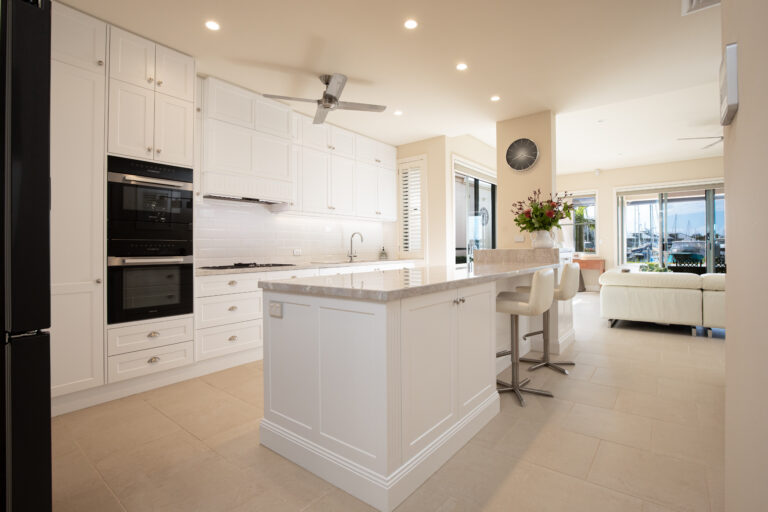
Buying a standard bookshelf only to discover it leaves awkward, unusable voids is a common frustration. In the debate between bespoke cabinetry and freestanding furniture, standard modular pieces are like off-the-rack clothing—they fit decently but rarely perfectly. This inevitably leaves annoying gaps where cleaning is impossible and valuable space is entirely wasted.
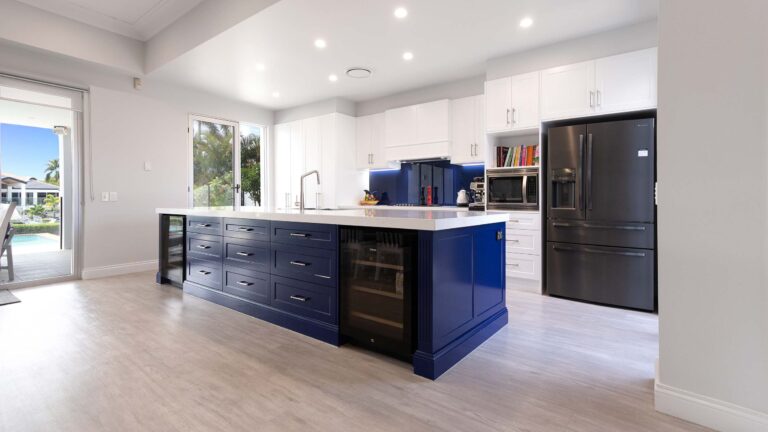
Upgrading to bespoke joinery acts like a perfectly tailored suit for your room’s specific dimensions. Drawing from our extensive renovation expertise, we know that the key advantages over flat-pack alternatives include:
- Perfect Fit: Bespoke designs eliminate dead corner zones completely, elegantly wrapping around architectural quirks.
- Storage Capacity: Built-ins capture 15-20% extra usable space by stretching wall-to-wall and floor-to-ceiling.
- Durability: Anchored materials significantly outlast flat-pack kits, effortlessly withstanding the rigours of daily life.
- Resale Impact: Future buyers pay a premium for permanent structural improvements, recognising the long-term value of architectural enhancements.
Beyond organising your daily clutter, these upgrades act as a highly effective financial investment. Increasing property value with permanent cabinetry works because buyers view seamless storage as a premium architectural feature rather than mere furniture. Once you experience this tailored fit, you will quickly see the potential of turning empty walls into integrated masterpieces.
Turning Empty Walls into Integrated Floor-to-Ceiling Wardrobes
Look above your current freestanding wardrobes to find the empty gap stretching to the ceiling. Standard furniture ignores this area, but integrated floor-to-ceiling designs capture this wasted vertical height for bulky seasonal items. As a bonus, taking cabinetry all the way up completely eliminates that dreaded, dust-collecting surface on top, instantly reducing your weekend cleaning routine.
Maximising this capacity won’t make your bedroom feel cramped if you employ monochromatic camouflage. By painting your new woodwork the exact same colour as the surrounding walls, the doors seemingly disappear. This colour matching tricks the eye into perceiving a much larger space while keeping your daily clutter completely hidden behind a sleek, sophisticated facade.
That same continuous integration works beautifully beyond the bedroom, especially when designing seamless wall-to-wall library units for your living room or exploring fresh built in storage ideas across our diverse custom project portfolios.
Invisible Utility: Designing Hidden Media Centres and Multifunctional Window Seats
Staring at the chaotic web of cords under your TV and wishing it would simply vanish is a familiar feeling. Upgrading to hidden media centre designs for small living rooms instantly solves this visual clutter. By mapping out your cable management before construction begins, you can seamlessly integrate hollow cord channels into the cabinetry. This allows you to effortlessly conceal everyday living room eyesores: tangled cables, blinking internet routers, gaming consoles, and bulky board games.
That empty alcove near your window offers another brilliant opportunity for dual-purpose furniture. Installing a built-in bench creates a hard-working feature that simultaneously provides comfortable seating, deep hidden storage, and a beautiful architectural focal point. When exploring multifunctional window seat storage, always specify durable materials like high-grade laminates—which resist scratching from zips and daily wear—for these high-traffic drop zones.
Mastering these double-duty joinery pieces transforms your living area into a highly efficient, relaxing retreat. Once your primary living room features are working twice as hard, you can start looking for even smaller gaps to conquer.
Stealing Millimetres: Recessed Wall Niches and Under-Stair Cupboards
Internal walls aren’t just solid barriers; they are hollow cavities hiding valuable space. By cutting into the void between the vertical wooden studs, you can unlock up to 100mm of hidden depth. Designing recessed wall niches for narrow hallways uses this structural void, creating sleek drop zones for your keys and post without eating into vital walkway space.
That slanted cavern below your stairs offers a massive opportunity for flush storage—meaning the doors sit completely flat and never block foot traffic. Implementing under-stair cupboard solutions quickly transforms an ignored triangular shadow into a highly functional concealed utility station or a roll-out shoe rack.
Applying this exact flush-fit mindset alongside space-saving kitchen renovations and pantry organisation systems ensures your narrowest cooking thoroughfares remain totally clear, practical, and aesthetically pleasing.
Comparing Plywood vs MDF and Calculating Resale Value
Bespoke cabinetry costs more than flat-packs, but permanent fixtures add tangible resale value, provided they are built to last. Selecting the correct foundation dictates this lifespan. When comparing materials for custom shelving, professional interior designers and joiners use three distinct tiers:
- MDF: A budget-friendly, smooth option perfect for dry bedroom wardrobes and seamless painted finishes.
- Plywood: Naturally moisture-resistant; easily among the best materials for durable utility room storage or damp bathroom renovations. It provides excellent structural integrity in high-humidity zones.
- Solid Timber: The premium luxury choice for high-impact living room displays, offering natural warmth and unparalleled longevity.
Matching materials to the room’s humidity ensures your cabinetry survives years of heavy use. For a deeper technical dive into structural integrity.
Your Small-Space Blueprint: Planning Your First Built-In Project
Look around your home right now—where is your biggest “dead corner”? Spotting these awkward gaps is the first step to maximising vertical space in compact flats. Whether you need tenant-friendly modulars or permanent structural joinery, a five-minute clutter audit is your best starting point. The most effective built in storage ideas stem from understanding how you actually live and move within your home.
Tackling these awkward spaces begins with three practical steps: measure your available dimensions, gather design inspiration that matches your aesthetic, and consult a skilled joiner or interior expert to help reclaim your floor plan. If you are ready to elevate your living environment with premium joinery and flawless execution, contact our team for a design consultation. We are passionate about crafting personalised, highly functional spaces that bring your vision to life.