
In this comprehensive guide, we will explore the costs associated with home renovations in Australia, delve into various financing options, and provide insights into effective budget management. Armed with this knowledge, you will be better equipped to navigate the renovation process with confidence and ease. Whether you’re updating a single room or revamping your entire home in the Gold Coast area, understanding these elements will ensure that your renovation journey is both enjoyable and financially sound.
Understanding Home Renovation Costs in Australia
The cost of a home renovation in Australia can vary significantly based on several factors, including the scale of the project, the quality of materials used, and the location of the property. It’s not uncommon for two seemingly similar projects to have vastly different budgets due to these variables.
On average, homeowners can expect to spend between AUD 10,000 and AUD 150,000 on a comprehensive interior makeover, but it’s important to remember that this is just a starting point.
Key Factors Influencing Renovation Budgets
-
Scope and Scale of the Project: The extent of the renovation plays a pivotal role in determining the overall cost. A minor update, such as repainting or reflooring, will be less expensive than a full-scale renovation involving structural changes and high-end finishes. Larger projects often require more time, resources, and expertise, all of which contribute to higher costs.
-
Quality of Materials: The choice of materials can greatly impact the renovation budget. Opting for premium materials and fixtures will naturally incur higher costs, whereas selecting more economical options can help manage expenses. However, it’s crucial to weigh the initial cost against the longevity and performance of the materials to ensure value for money.
-
Labour Costs: Labour expenses constitute a significant portion of the renovation budget. Skilled tradespeople, such as electricians, plumbers, and carpenters, charge varying rates depending on their expertise and the complexity of the work involved. Additionally, the demand for skilled labour in certain areas can affect availability and pricing.
-
Location: Renovation costs can also be influenced by the property’s location. Urban areas with higher living costs may result in increased labour and material prices compared to regional locations. Moreover, local regulations and building codes can affect both the scope of work and the associated costs.
-
Design Complexity: Intricate design elements and bespoke features can elevate both the aesthetic appeal and the cost of a renovation project. Custom designs often require specialised skills and materials, which can add to the time and expense of the project. Balancing creativity with budget constraints is key to achieving a successful outcome.

Average Renovation Costs by Room
-
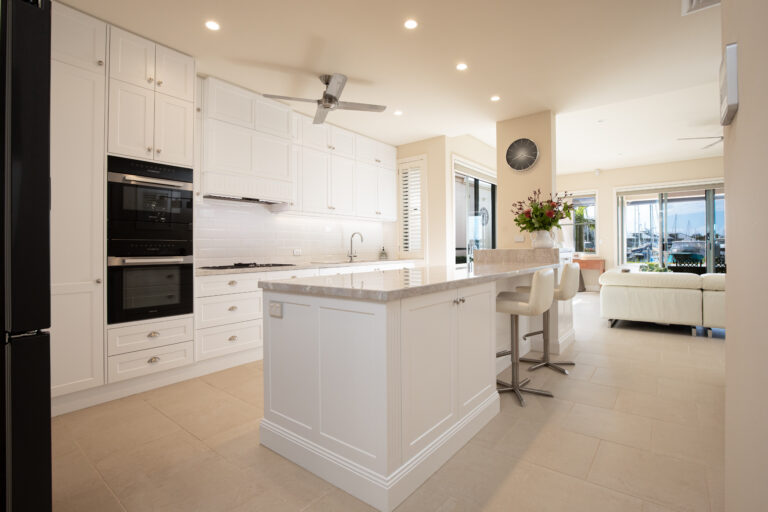
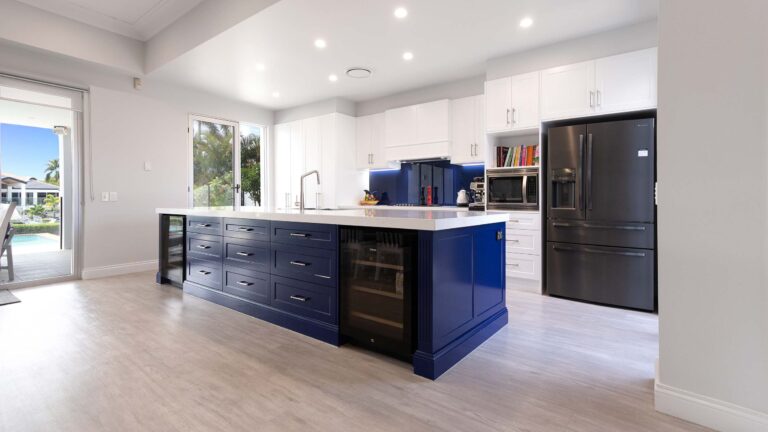
Kitchen Renovation: AUD 10,000 – AUD 50,000. The kitchen is often considered the heart of the home, and its renovation can range from simple updates like replacing worktops and cabinets to complete overhauls involving layout changes and high-tech appliances.
-
Bathroom Renovation: AUD 10,000 – AUD 35,000. Bathroom renovations can include upgrading fixtures, retiling, and installing new plumbing. The choice of finishes and the potential need for structural changes can greatly influence costs.
-
Living Room Update: AUD 5,000 – AUD 20,000. Updates can range from new flooring and lighting to installing custom furniture or even creating an open-plan space by removing walls.
-
Bedroom Transformation: AUD 5,000 – AUD 15,000. Transforming a bedroom may involve changes to flooring, lighting, and built-in storage solutions, as well as aesthetic improvements such as painting or wallpapering.
Effective Budget Management Strategies
Creating a detailed budget is a fundamental aspect of any successful renovation project. By establishing clear financial parameters, you can ensure that your renovation stays on track and within your means. A well-planned budget serves as a roadmap, guiding decisions and helping you manage resources effectively.
Planning Your Renovation Budget
-
Define Your Goals: Clearly outline your renovation objectives and prioritise the areas of your home that require the most attention. Understanding your goals will help you allocate funds efficiently and focus on changes that deliver the greatest value.
-
Research Costs: Gather information on the current market rates for materials, labour, and other expenses to gain a realistic understanding of potential costs. This research will enable you to set a more accurate budget and avoid surprises later in the process.
-
Obtain Multiple Quotations: Contact multiple contractors and suppliers to obtain quotations for the work and materials needed. This will help you compare prices and make informed decisions. Remember, the lowest quotation isn’t always the best choice; consider the quality of work and reputation of the contractor.
-
Allocate Contingency Funds: Set aside a contingency fund of approximately 10-20% of your total budget to account for unexpected expenses that may arise during the renovation process. Unforeseen issues can occur, and having a financial buffer will help you handle them without derailing the project.
-
Track Expenses: Maintain a detailed record of all expenses incurred throughout the renovation to monitor spending and identify areas where adjustments may be needed. Regularly reviewing your budget will allow you to stay on top of your finances and make timely corrections.
Smart Savings Tips for Renovations
-
Prioritise Essential Upgrades: Focus on essential improvements that enhance the functionality and value of your home. By concentrating on key areas, you can ensure that your investment translates into tangible benefits.
-
DIY Where Possible: Consider tackling smaller projects yourself to save on labour costs. DIY can be rewarding and cost-effective, but it’s important to know your limits to avoid costly mistakes.
-
Choose Timeless Designs: Opt for classic design elements that will stand the test of time, reducing the need for frequent updates. Timeless designs not only maintain aesthetic appeal but also enhance resale value.
-
Negotiate with Suppliers: Utilise your purchasing power by negotiating discounts with suppliers and contractors. Building good relationships with suppliers can lead to better pricing and service in the long term.
Embarking on a home renovation in Australia requires careful planning and a clear understanding of the costs involved. By considering the factors that influence renovation expenses, exploring financing options, and implementing effective budget management strategies, you can transform your living space into a beautiful and functional haven that meets your needs and aspirations.
With dedication and attention to detail, your renovation project can become a rewarding and fulfilling experience, resulting in a home that truly reflects your personal style and enhances your quality of life. Remember, successful renovations are not just about spending money wisely; they’re about making informed decisions that lead to long-term satisfaction and enjoyment of your living space.
Ready to Start Your Gold Coast Renovation?
Planning a home renovation can be daunting, but with HASL Haus, you’re in expert hands. We specialise in creating beautiful and functional spaces across the Gold Coast. From initial design to flawless execution, our team is dedicated to bringing your vision to life within your budget.
Don’t let renovation costs hold you back from achieving your dream home. Contact HASL Haus today for a consultation, and let’s discuss how we can make your renovation journey smooth and successful!