Is your en-suite bathroom more of a cramped cupboard than a relaxing retreat? If you’re tired of battling for countertop space and stumbling in the dark, the solution isn’t more space—it’s smarter design. A few thoughtful choices can transform even a small room into a functional, serene escape.
Great en-suite design rests on three pillars: Layout, the room’s blueprint; clever Storage for a clutter-free sanctuary; and layered Lighting to set the mood. This guide breaks down each pillar with simple, actionable advice. By focusing on these three areas, you can turn frustration into a clear plan and create a beautiful en-suite that feels like a personal oasis, regardless of its size.
How Do I Maximise Space in a Small En-suite? Your Layout Blueprint
The secret to a bathroom that feels spacious lies in the layout. Before you pick a single tile, think about clearance zones—the essential breathing room around each fixture. Planning for this negative space is the first step to maximising a small en-suite.
For long, narrow en-suites, the ‘three-in-a-row’ layout is a classic. This efficient design places the shower, toilet, and vanity unit along a single wall. This consolidates plumbing, which can save on costs, and leaves the opposite wall free, creating an open walkway. It’s one of the most effective ways to make a compact room feel functional.
If your room is wider, a ‘galley layout’ might be a better fit. Similar to a galley kitchen, this design places fixtures along two parallel walls. For example, you might have the vanity unit on one wall and the toilet and shower on the other. This is a popular master bathroom layout as it can easily accommodate a double vanity if space allows.
No matter which layout you choose, leave at least 21 inches of clear floor space in front of your toilet and vanity unit to ensure you can move comfortably. For walkways, aim for 30 to 36 inches. Grab a tape measure and sketch these out to see what’s possible in your space.
The Great Debate: Walk-in Shower vs. Bathtub in an En-suite?
Deciding between an en-suite shower and a bath often comes down to space. In a compact room, a walk-in shower is almost always the smarter choice, as it opens up the floor plan. A comfortable walk-in shower needs a footprint of at least 36-by-36 inches, which is far more compact than a standard 60-inch-long bath.
Beyond dimensions, consider your daily routine. Are you a quick-rinse-and-go person, or do you cherish a long soak? While a bath can be a stunning centrepiece, it’s only worth the space if you’ll use it. An oversized, luxurious walk-in shower with a bench and a rainfall showerhead might offer more practical, everyday enjoyment.
Finally, think about your home’s future resale value. It is generally advisable to keep at least one bathtub in the house, as families with young children often often see it as essential. If your en-suite is the only full bathroom, removing the bath could deter some buyers. However, if another bathroom has a tub, converting your en-suite to a modern, shower-only space is a fantastic upgrade.
What’s the Best Vanity for a Small Bathroom?
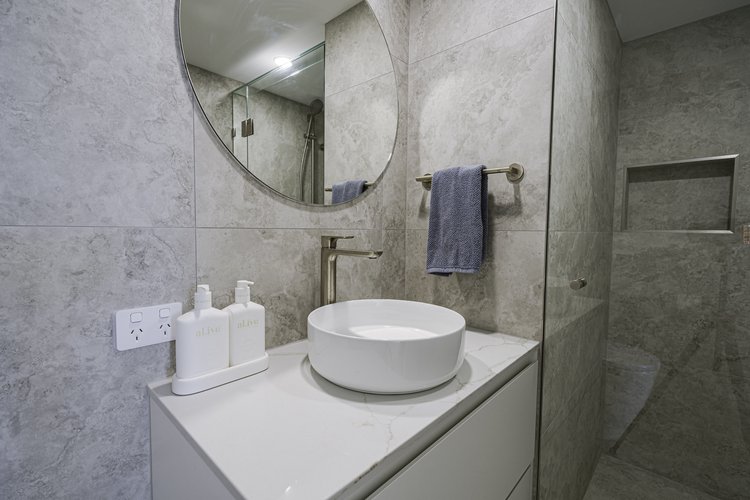
A bulky, floor-standing cabinet can make a compact en-suite feel cramped. This is why a ‘floating’ vanity unit is often the best choice for a small bathroom. Because it mounts to the wall with open space underneath, the flooring extends all the way to the back wall, making the entire room feel more open and airy.
To gain more surface area, consider pairing your vanity unit with wall-mounted taps. Instead of being installed on the countertop, these modern fixtures emerge from the wall above the basin. This frees up precious counter space for your soap dispenser and toothbrush holder without creating a cluttered look.
While a classic pedestal basin also creates an open feel, it offers no storage or counter space. A floating vanity unit provides the perfect compromise: it delivers the visual lightness of a pedestal while offering the built-in storage you need to keep toiletries organised and surfaces clear.
Beyond the Vanity: 3 Clever Storage Ideas That Erase Clutter
The best en-suite storage solutions often hide in plain sight, using the untapped potential of your walls to keep the bathroom feeling serene. Look inside your walls—most have a few inches of empty space between the structural studs. A recessed cabinet is a medicine cabinet built into this space, so it sits nearly flush with the wall.
In the same way, a shower niche is a built-in shelf recessed into your shower wall, giving you the perfect spot for shampoo without a clumsy caddy. These built-in solutions prove that good design is about using the space you have more wisely.
Don’t forget to look up. The area above your toilet is one of the most underused spots in any bathroom. A few simple floating shelves provide room for rolled towels or storage baskets. This is a classic example of vertical storage, which draws the eye upward and makes the room feel taller while adding much-needed function. For more ideas, explore our blog on storage ideas for small living spaces.
The 3 Layers of Light: How to Make Your Bathroom Bright and Beautiful
The wrong light can make even the most organised space feel gloomy. Many bathrooms rely on a single, harsh overhead fixture that casts unflattering shadows. The secret used by designers isn’t a brighter bulb; it’s a smarter, layered strategy.
Thinking of lighting in three layers ensures the room is both functional and inviting:
- Ambient Light: This is your general, overall illumination from a ceiling fixture that lets you safely navigate the room.
- Task Light: Bright, focused light for specific jobs, like sconces beside the mirror for shadow-free shaving or makeup application.
- Accent Light: A touch of mood lighting, such as a small spotlight on a beautiful tile wall or a piece of art.
When all three layers work in harmony, your en-suite transforms. But the most crucial—and most often botched—layer is the task lighting around the vanity.
Why Your Vanity Lighting Is So Unflattering (And the 2-Step Fix)
If you’ve ever leaned into your bathroom mirror and wondered why you have dark circles under your eyes, blame a single light mounted from above. This common setup casts harsh shadows down your face, making everyday tasks difficult.
The professional solution is cross-illumination: lighting your face from both sides instead of from above. This cancels out shadows, providing even, flattering light. Placing vertical sconces or pendants on either side of the mirror creates the perfect setup for your morning routine.
For the best effect, mount your lights at roughly eye level and about 36 to 40 inches apart. Because these lights are in the sink’s splash zone, always choose fixtures that are suitably IP-rated for damp environments to ensure safety.
How Tile Choices Can Make a Small Bathroom Feel Twice as Big
Beyond fixtures and lighting, your tile choice can visually expand the room. When choosing tiles for a small bathroom, bigger is often better. Using large-format tiles (24×24 inches or larger) drastically reduces the number of grout lines. With fewer visual breaks, the floor reads as one clean, expansive surface.
To amplify this effect, extend the same floor tile up the shower wall. This design trick creates a unified surface, blurring the boundary between the floor and wall and making the room feel taller and more continuous. It’s a key technique used in modern en-suite wet room design to achieve a clean, spa-like atmosphere.
Finally, complement these tile strategies with a light colour palette. Whites, soft greys, and warm beiges are classic choices for a reason—they reflect light beautifully, enhancing the sense of openness. A light colour combined with large-format tiles creates a bright, cohesive space that feels significantly larger than its footprint.
What Is the Average Cost to Renovate an En-suite?
The price tag is primarily driven by three things:
- Labour: This is often the biggest expense, accounting for 40-60% of your total budget.
- Fixtures & Finishes: Your choices here matter—a standard acrylic bath costs a fraction of a designer freestanding one.
- Structural Changes: Moving walls or, more importantly, plumbing, will significantly increase costs.
The single most effective way to keep your project affordable is to work with your existing plumbing layout. Keeping the toilet, shower, and sink in their current spots avoids expensive re-piping. This allows you to allocate more of your budget toward the beautiful finishes and fixtures you’ll enjoy every day.
Your Action Plan for a Brilliant En-suite
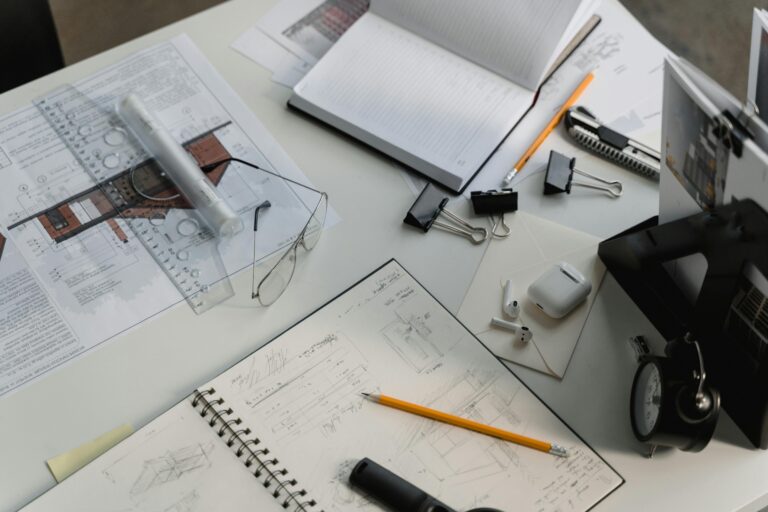
A spa-like en-suite comes from smart choices, not a massive budget. You now have a clear framework based on the core principles of layout, storage, and lighting. Your journey starts not with a sledgehammer, but with a tape measure and paper.
Sketching your room’s dimensions and playing with the layouts we explored is the first step to turning abstract ideas into a concrete plan. Whether tackling a DIY project or hiring a professional, you now have the confidence to create a space that truly works for you.
Ready to Transform Your Ensuite?
At HASL, we specialise in creating beautiful, functional, and luxurious ensuite bathrooms across the Gold Coast. From clever layouts to exquisite finishes, our team can bring your vision to life, ensuring your new ensuite is a personal oasis.
Don’t let a small space limit your dreams.
Explore our services and see how we can help with your next renovation project: